Planning for the year ahead typically starts with a review of the current year’s goals and strategies. It's also a great time to celebrate accomplishments, identify gaps and discuss what worked and what didn’t. If there have been significant changes within your organization or the external environment, it's an ideal time to research competitors, market conditions and customer trends too.
This groundwork provides an important foundation for setting priorities and defining goals for the coming year.
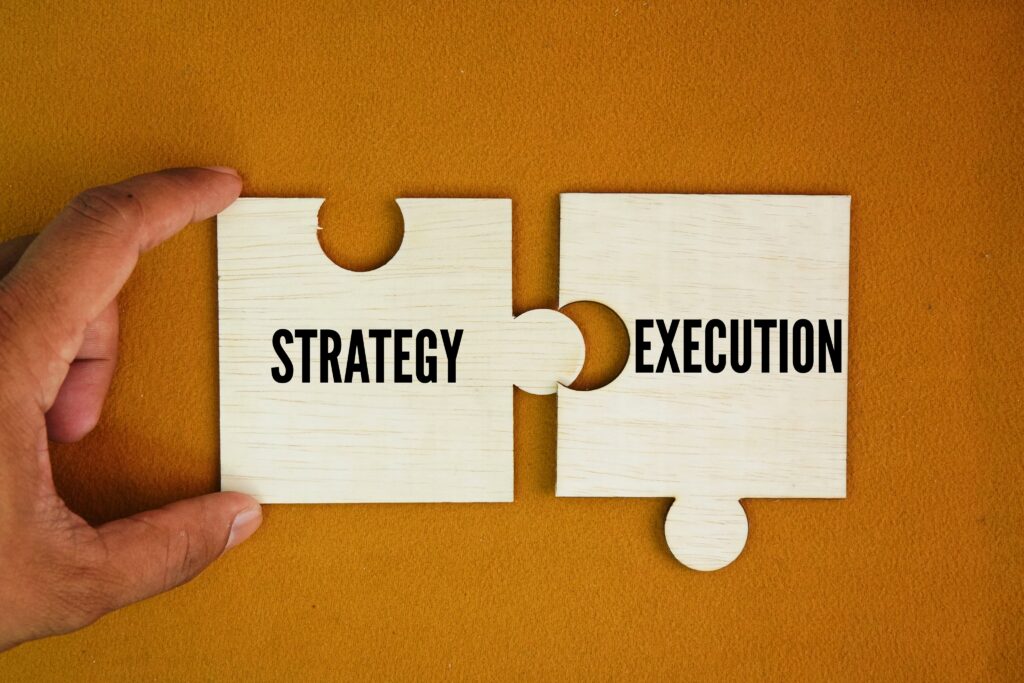
But this post isn’t about the “how-to's” of strategic planning. Most organizations know how to set a direction, identify priorities and establish goals. The real challenge is turning those plans into results.
Too often, organizations develop an ambitious strategy, identify the actions needed to achieve it and set measurable goals only to fall short year after year. But why? The answer is simple:
Execution requires coordination, organizational capacity, clear accountability and the ability to manage competing priorities. Even a well-designed strategy can falter when it depends on a handful of people who are already stretched thin or when the organization lacks the resources and management structure to support the work.
So, how can organizations build execution into the planning process from the start?
Strategic planning often begins with senior leadership and the board defining the organization’s direction and priorities. But as the conversation shifts from what the organization wants to accomplish to how it will get there, the team needs to expand.
Involve the people who will be responsible for carrying out the work. They can help assess what's realistic, identify dependencies, anticipate challenges and determine the time and resources required. Their input also helps ensure that actions, timelines and goals reflect the realities of day-to-day operations.
Additionally, involving the team builds understanding and buy-in. People are more likely to support a strategy when they have helped shape how it will be implemented.
The goal is to move beyond setting priorities to developing a plan the organization can realistically deliver.
Just as organizations develop budgets to support their strategy, they need to assess the capacity required to execute it:
A new strategic priority often means taking on new work. But it rarely means that existing responsibilities disappear. Without an honest assessment of capacity, organizations risk adding ambitious goals to already full workloads, leaving teams to manage competing demands without the resources they need.
This is where strategic planning and resource allocation must come together. Leaders may need to make difficult choices about what to prioritize, what to defer and where to invest. They may also need to stop doing certain things to create room for new initiatives.
A strategy is only achievable if the organization has the capacity to carry it out.
Too often, organizations invest significant time and energy in developing a strategic plan only to lose momentum once the plan is finalized. Progress is reviewed inconsistently, competing priorities take over and opportunities to adjust course are missed.
For the team responsible for implementation, this is frustrating and demotivating.
Execution requires ongoing leadership attention. Strategic initiatives need clear owners, defined expectations and a regular forum for reviewing progress and making decisions. Leadership must establish not only who is responsible for moving each initiative forward, but also how decisions will be made when challenges arise or priorities compete.
Regular check-ins provide an opportunity to assess progress against goals, identify obstacles, incorporate new information and agree on necessary trade-offs. They also create space to adjust the plan when circumstances change without losing sight of the organization’s overall direction.
Transparency matters, too. When people understand who is accountable, what progress looks like and where decisions will be made, they can work more effectively across teams and address issues before they become roadblocks.
Accountability isn’t just about tracking results. It’s about creating the management discipline to keep the strategy moving forward.
Strategic planning should be more than an annual exercise in setting goals and defining priorities. It should also be an opportunity to determine how the organization will work together to achieve them.
By expanding the team involved in implementation, evaluating capacity and establishing clear accountability, leaders can identify execution challenges before they derail progress. They can make informed choices about resources, align responsibilities and create the management practices needed to sustain momentum.
The result is a strategy that is not only ambitious, but achievable.
As you plan for the year ahead, don’t stop at deciding what you want to accomplish. Make sure you are also planning for how your organization will get it done.